
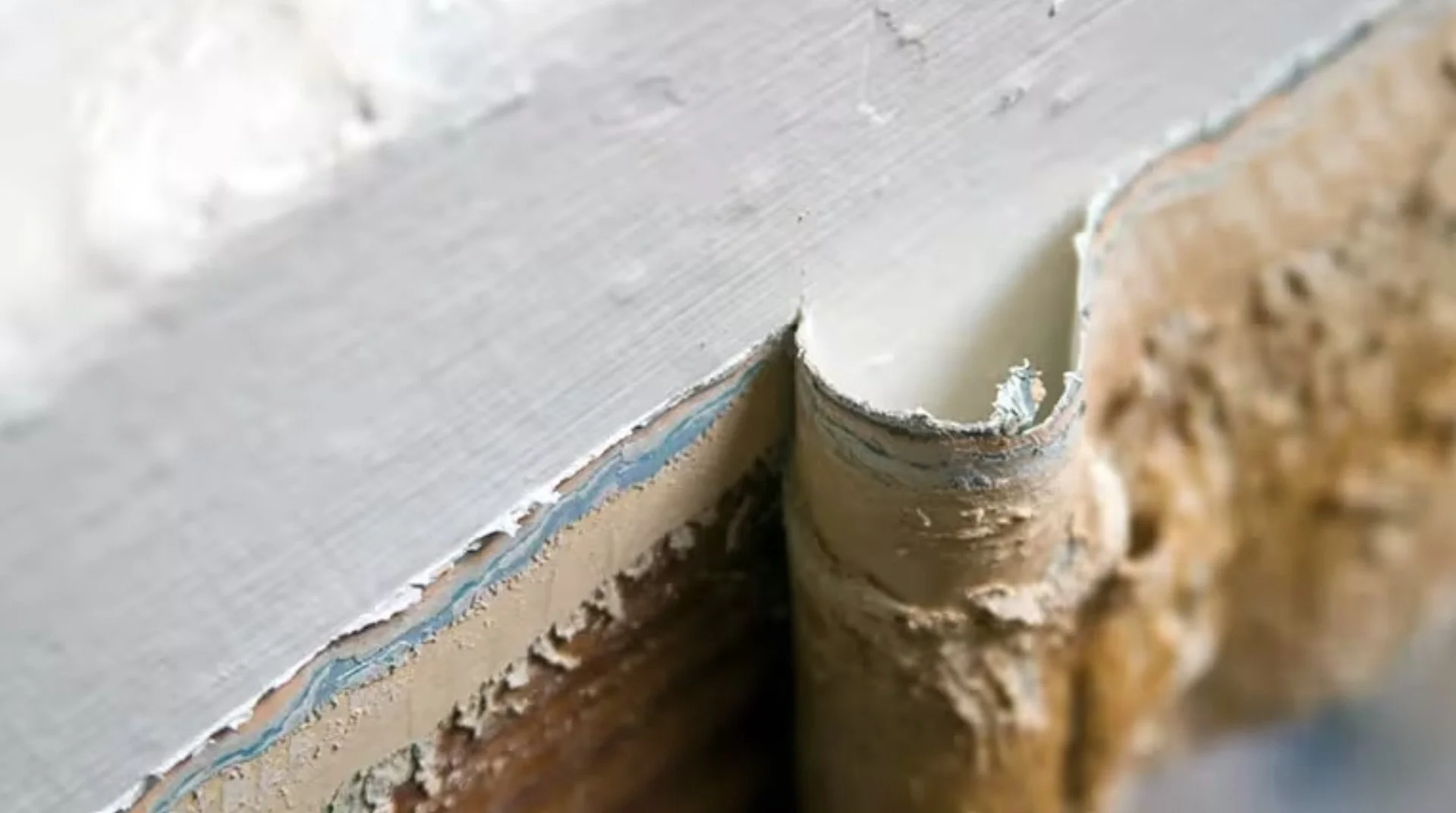
Professional Lead Paint Testing & Contamination Assessment Wellington & Nationwide
Concerned about lead paint exposure or unexplained health symptoms? Our lead paint testing and contamination assessments identify risks and provide clear recommendations to protect children & occupants.

Key reasons to call Paul
Lead exposure can affect brain development, learning and behaviour, even when children show no obvious symptoms. Before any renovations, test to ensure your family’s safety!
Professional lead paint assessments
Laboratory analysis of paint, dust and air samples
Identification of lead contamination and exposure risks
Residential, commercial and industrial properties
Clear reports and practical recommendations
Assessment in accordance with Ministry of Health guidelines
Our Lead Paint Testing Process
Initial Discussion – We establish your requirements and the appropriate assessment.
Inspection or Survey – We identify suspected lead paint coatings and potential contamination risks.
Sampling – We collect paint, dust and air samples where required.
Laboratory Analysis – Samples are analysed to identify lead contamination.
Assessment and Recommendations – We provide clear findings and advice on managing contamination and protecting occupants.
What You'll Receive
Laboratory results identifying lead in submitted paint, dust and air samples.
Survey findings documenting lead paint coatings and affected areas.
Contamination assessment identifying potential exposure risks to occupants and contractors.
Practical recommendations outlining appropriate management, removal and remediation options.
Ongoing support through further contamination assessments and post-remediation testing, where required.
Frequently Asked Questions
How do I know whether my property may contain lead paint?
Lead-based paint was commonly used in New Zealand until the late 1970s. Properties built before 1980 should be presumed to contain lead paint unless testing confirms otherwise.
Why is lead paint dangerous, particularly for children?
Lead is highly toxic and can damage the developing brain and nervous system. Exposure can affect children's learning, behaviour and development, sometimes without obvious symptoms. Even relatively small amounts of lead can present a health risk.
When should lead paint testing be carried out?
Before renovating, sanding, scraping or demolishing older properties where lead paint may be present. Testing is particularly important where children occupy the property or contractors may disturb old paint coatings.
How can people be exposed to lead paint?
Deteriorating or disturbed paint can release lead-contaminated dust and particles. These can be inhaled or swallowed, particularly by young children through hand-to-mouth contact with contaminated surfaces.
Can instant lead paint test kits reliably identify lead?
Consumer test kits have limitations and may not reliably detect lead beneath multiple paint layers or in darker-coloured coatings. Professional sampling and laboratory analysis provide a more reliable assessment.
Can lead dust contaminate a property even if the paint is covered?
Yes. Lead dust can accumulate on floors, window sills and other surfaces. Renovation work can also spread contamination into previously unaffected areas. Dust sampling can help identify potential exposure risks.
Do you test for lead in dust and air?
Yes. We are competent to collect lead dust and air samples for laboratory analysis. This helps assess contamination and potential exposure risks, particularly where old paint coatings have been disturbed.
What happens if lead contamination is found?
We document our findings and provide recommendations for managing the contamination, protecting occupants and undertaking appropriate remediation. Further dust and air testing can help assess whether remediation has been successful.